
Roman Bronze Coin
Estimated value
Unknown
Learn which how to identify roman coins details a photo can prove, which it cannot, and the follow-up checks worth doing before you rely on the answer.
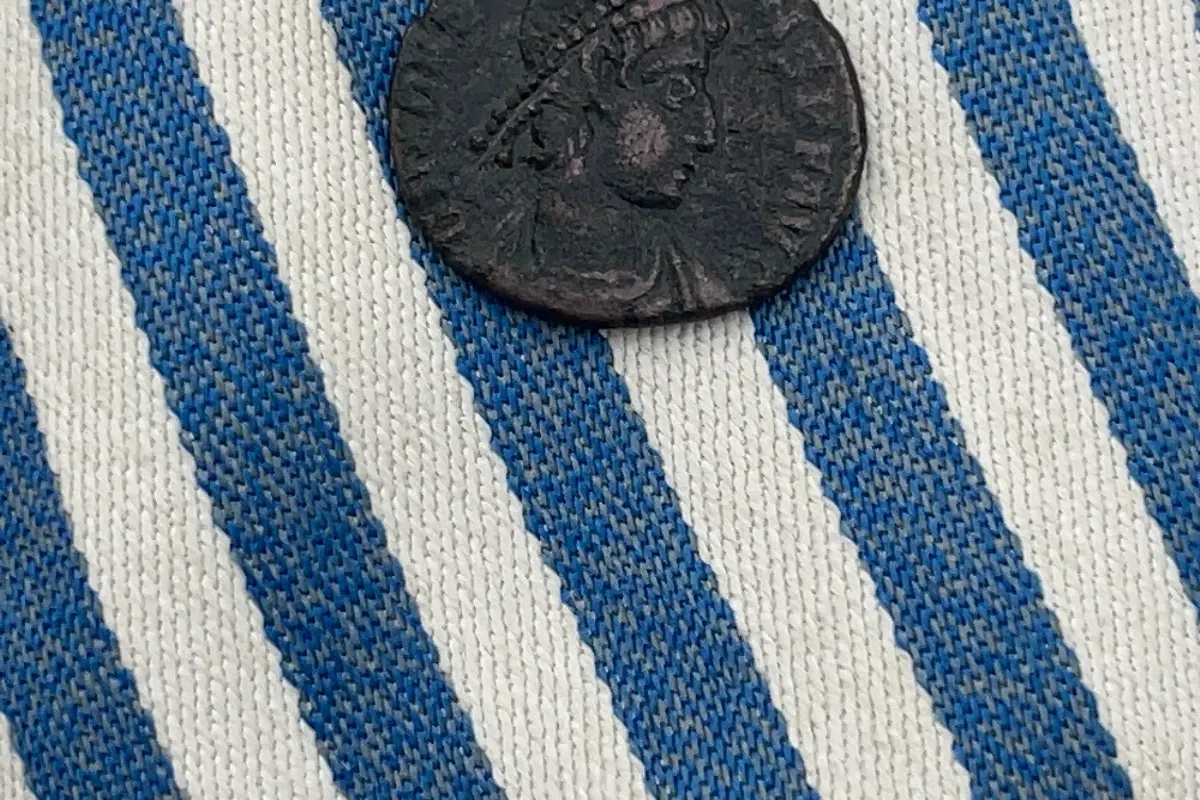
Identification summary
How to identify roman coins: this entry summarizes one scanned object that the system identified as an Ancient Rome bronze coin with a reported Year of minting of -150. The scan fields below are the authoritative data for this specific item.
Reported technical values include Material: Bronze; Size in mm: 20; Grading: Poor to Very Fine (based on visible wear and corrosion); and Rarity: common. The scan lists Estimated value as Unknown and marks the identification as High confidence, dated 2026-07-21T04:04:48.150Z.
A single photograph and automated scan can show many useful clues—legends, portrait types, and surface condition—but cannot by itself confirm modern authenticity, exact die variety, or a final market value. Treat the scan report as a practical first pass and use follow-up checks where needed.
Era & Date
| Year of minting | -150 |
|---|
Origin
| Country of origin | Ancient Rome |
|---|
Material
| Material | Bronze |
|---|
Physical Details
| Size in mm | 20 |
|---|
Condition
| Grading | Poor to Very Fine (based on visible wear and corrosion) |
|---|
Authentication & Rarity
| Rarity | common |
|---|
Value
| Estimated value | Unknown |
|---|
Provenance
| Identified at | 2026-07-21T04:04:48.150Z |
|---|
System confidence
| Confidence | High confidence |
|---|
Historical context
Bronze coinage in the mid-2nd century BCE (around -150) covers a transitional period before the full imperial coinage system; small bronze denominations from this era were widely used and routinely produced in large numbers. Common survival and corrosion rates mean many examples are catalogued as common rather than rare.
Collectors and dealers typically separate provenance, die variety, and authenticity. The scan's material and date fields place this piece within expected Roman bronze types, but identifying an exact type or attributing it to a named magistrate or mint normally requires close die study, reference comparison, and sometimes weight or metal testing.
In marketplace terms, a 'Poor to Very Fine' grading range indicates substantial uncertainty about condition-dependent value: lightly worn examples can command modest premiums, while heavily worn or corroded pieces usually remain inexpensive. The recorded Estimated value of Unknown means further expert input or market comparison is needed before setting a price.
Related guides
Compare your photos with a structured report
After you review the scan details above, use Coin Identifier - Coinora as an optional next step to organize your photos and compare visible clues across multiple images. The app's foreign coin tools can help you match reported attributes—material, diameter, legends—against common reference types. Visit https://coin-identifier.app/tools/foreign-coin-identifier to try the foreign coin comparison tools and keep your evidence organized while you pursue any further authentication or valuation checks.
Take the next step →Frequently asked questions
Could this piece count as valuable foreign coins when I'm sorting estate finds?
The phrase 'valuable foreign coins' covers many possibilities, but this specific scan lists Rarity as common and Estimated value as Unknown. That combination usually means the piece is not flagged as an obvious high-value item by automated matching. Still, some common-design Roman bronzes can be valuable in exceptional states or as rare die varieties. If you suspect a rare attribution, get a specialist or trusted dealer to examine the coin in hand before assigning it to a valuable-foreign-coins pile.
How certain is a photo-based identification for Roman coins?
Photo-based identification can be highly useful for reading legends, recognizing portraits, and spotting surface details, but it cannot confirm weight, exact metal composition, or whether subtle repairs or modern alterations exist. The scan's 'High confidence' flag indicates a strong match to known patterns, yet certainty for market or legal purposes requires physical inspection or laboratory tests.
What does the scan field 'Year of minting: -150' mean for dating?
The reported Year of minting '−150' indicates the scan matched stylistic and typological features consistent with circa 150 BCE. That places the example in a late Republican period context. Use that date to narrow reference comparisons, but remember that some motifs persisted or were reused in later struck copies; die and provenance work refine the date further.
Should I seek professional grading or authentication for this Roman coin?
Professional grading or third-party authentication is advisable when the coin's condition, rarity note, or potential value makes a financial difference. For a piece with Rarity reported as common and Estimated value Unknown, a practical approach is to gather measured data (weight, diameter, clear photographs of legends and reverse symbols) and consult a trusted numismatist before paying for formal grading.